Hawaii Is More Cost-Efficient Than People Think
Locals hear it all the time: “I’d love to stay in Hawaii, but it’s way too expensive.” And sure—if you land for five days, book a resort, rent a car last minute, and eat every meal in tourist zones, Hawaii will feel overpriced fast. But that version of Hawaii isn’t how most residents or long-stay visitors experience the islands. When you slow down and live a little more locally, Hawaii becomes far more cost-efficient than its reputation suggests.
What often gets missed in the conversation is that Hawaii doesn’t just sell scenery—it includes reliability. You drink the water from the tap. Roads are maintained. Power and internet are steady. Healthcare is accessible. Groceries are regulated. Those things don’t show up on a travel budget spreadsheet, but they quietly save money and stress every single day. In many places considered “affordable,” those basics are inconsistent, and the workarounds cost more than expected over time.
Airfare is another area where perception lags behind reality. Flights to Hawaii aren’t cheap all the time, but they’re not rare bargains either. From the U.S. West Coast, round-trip deals are common outside peak holiday periods, and flights from Asia and Oceania are often competitive. Hawaii is a high-traffic destination, which means airlines are constantly adjusting prices. Locals and frequent visitors don’t chase dates—they watch patterns. That’s how they keep flight costs reasonable.
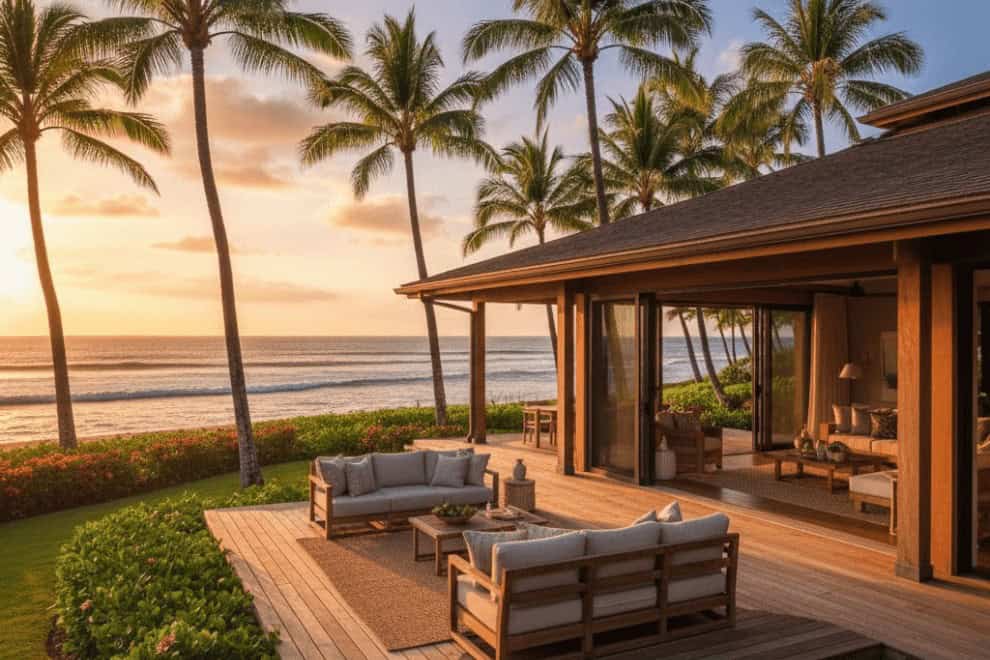
Housing is where the real difference shows up. Resorts dominate online searches, so people assume those prices represent the whole market. They don’t. Furnished rentals, especially outside of resort zones, tell a very different story. Monthly or multi-week stays reduce nightly costs dramatically, and many long-term visitors end up paying no more than they would in a major mainland city—sometimes less. The key is staying put instead of hopping around. Hawaii rewards people who settle in, even briefly.
Food costs get labeled as “high,” but context matters. Imported items are more expensive, yes. But local produce, fish, and everyday meals are easier on the budget than most visitors expect. Farmers markets, neighborhood grocery stores, and plate lunch spots offer filling, high-quality food without tourist pricing. Cooking a few meals at home—something most furnished rentals allow—brings food spending back into a normal range very quickly. Locals don’t eat out less because they have to; they eat smart because it works.
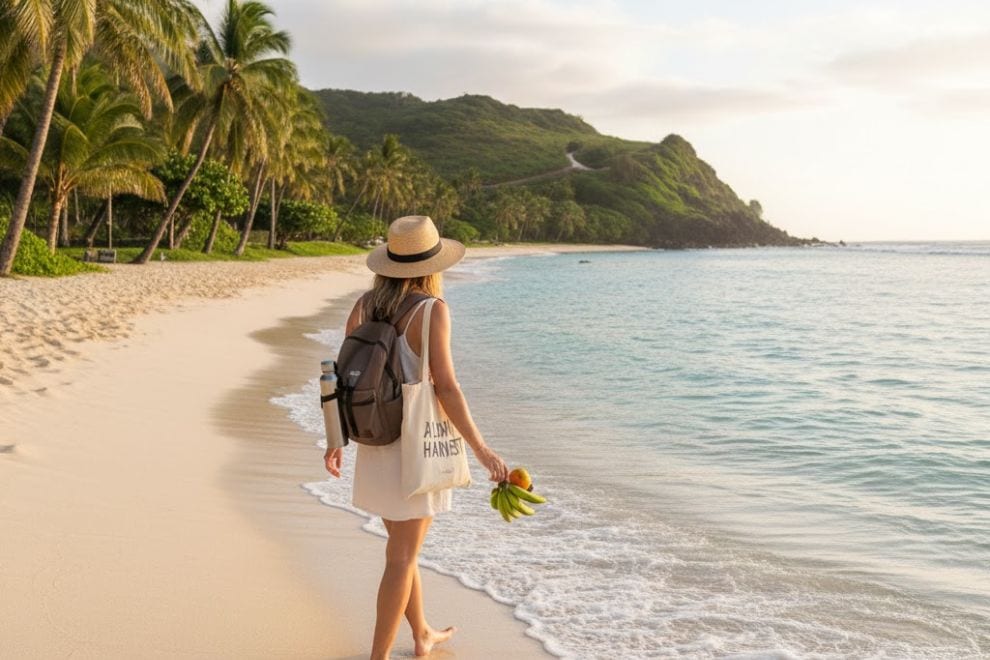
Where Hawaii quietly wins is daily life. Entertainment here doesn’t rely on tickets. Beaches don’t charge admission. Trails don’t require reservations most days. Snorkeling doesn’t need a guide. Sunsets are free, and they happen every night. Once you’ve paid for a place to stay, the island gives you something to do without asking for more money. Compared to cities where fun usually comes with a price tag, that adds up.
There’s also a pace adjustment that saves money in ways people don’t expect. Life here encourages fewer impulse purchases. You don’t need constant entertainment, new clothes, or distractions when nature fills that role. Many visitors notice they spend less simply because they’re calmer. That shift alone can make Hawaii feel far more affordable than planned.
Hawaii makes the most sense financially for people who:
- Stay longer than a week
- Choose furnished rentals over resorts
- Shop and eat locally
- Don’t try to “see everything” in one trip
Those choices move you out of the tourist economy and into something closer to everyday island life. Once that happens, the numbers look very different.
None of this means Hawaii is “cheap” in the traditional sense. It’s not a bargain destination, and it never will be. But it is cost-efficient for what it offers: safety, stability, natural beauty, and a quality of life that’s hard to replicate elsewhere. When you factor in what’s included—not just what’s listed on a receipt—Hawaii often delivers better long-term value than places that look affordable at first glance.
Locals don’t stay because it’s flashy. They stay because the lifestyle makes sense. And for travelers willing to approach Hawaii the same way—slowly, practically, and with a little flexibility—the islands stop feeling expensive and start feeling balanced.
That’s the part people miss.